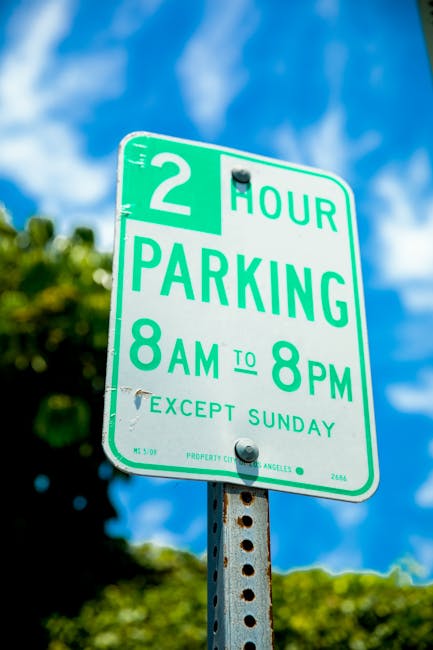
Gunnersbury Station Area Removals: Best Times and Parking Tips
If you are planning a move around Gunnersbury Station, timing and parking can make the difference between a calm, efficient day and a long, awkward one with everyone circling the block. The good news is that Gunnersbury Station area removals best times and parking tips are not complicated once you understand the local rhythm: commuter traffic, narrow residential streets, busy school runs, and the practical realities of loading a van in west London. In this guide, you will find straightforward advice on when to move, where the pressure points tend to be, and how to avoid the small mistakes that waste time and money.
Whether you are moving a flat, a family house, or a small office, the aim is the same: keep the access clear, protect your belongings, and make life easier for everyone involved. Let's face it, nobody enjoys carrying a sofa down a terrace while a delivery truck is trying to squeeze past.
Table of Contents
- Why Gunnersbury Station area removals best times and parking tips Matters
- How Gunnersbury Station area removals best times and parking tips Works
- Key Benefits and Practical Advantages
- Who This Is For and When It Makes Sense
- Step-by-Step Guidance
- Expert Tips for Better Results
- Common Mistakes to Avoid
- Tools, Resources and Recommendations
- Law, Compliance, Standards, or Best Practice
- Options, Methods, or Comparison Table
- Case Study or Real-World Example
- Practical Checklist
- Conclusion
- Frequently Asked Questions
Why Gunnersbury Station area removals best times and parking tips Matters
Moving near a station is a different beast from moving in a quiet cul-de-sac. Around Gunnersbury Station, you tend to get a mix of commuters, buses, delivery vehicles, school traffic, and residents who know exactly which road gets clogged first. That matters because removals are really a logistics exercise, not just a lifting job.
When a van cannot stop close to the property, every extra metre adds time. Time adds cost. And stress, too. A well-chosen time slot and a decent parking plan reduce all of that. It also helps protect stairwells, parked cars, and that one large wardrobe which always seems to grow heavier halfway through the move.
In our experience, the best moves in this part of west London are rarely the flashiest. They are the ones that start early enough to beat peak traffic, have a sensible loading point, and are planned with the street layout in mind. That sounds simple. It is simple, but only if you prepare properly.
Expert summary: Around Gunnersbury Station, the smartest removals are usually the ones that avoid commuter peaks, allow for tight parking conditions, and keep walking distances from the property to the vehicle as short as possible.
How Gunnersbury Station area removals best times and parking tips Works
The process starts with understanding the local movement pattern. The area around a station has a daily rhythm: early commuters, lunchtime deliveries, afternoon school movement, and evening return traffic. Removal teams work around those waves. They also think about access, vehicle size, lift availability, stair width, and whether there is space to queue safely without causing a headache for neighbours.
For most home moves, the practical ideal is usually a morning start, often before the roads become busy. Why? Because loading is slower than people expect, and early access gives you a buffer if keys are delayed, furniture is awkward, or one last box appears from nowhere. It always does. Somehow there is always one more box.
Parking tips matter because a removal van is not like a family hatchback. A larger vehicle may need a clear stretch of road, room to open rear doors, and a position that avoids blocking driveways or busier turning points. If you can secure a legal space close to the entrance, you cut down on carrying distance and reduce the risk of damage.
If your move is more complex, a professional team may suggest a man and van service for lighter loads, or a larger vehicle such as moving truck hire when the volume is bigger. For homes with more furniture and more fragile items, a full home move service may be the smoother option.
Key Benefits and Practical Advantages
The main benefit of planning removals well around Gunnersbury Station is not just speed. It is control. A move that starts at the right time and uses sensible parking is calmer from the first box to the final chair.
- Less waiting time: The van can get in, load, and leave without circling the area.
- Lower physical strain: Shorter carrying distances make a real difference on the day.
- Reduced damage risk: Fewer awkward turns and fewer stop-start lifts mean fewer accidents.
- Better neighbour relations: Nobody likes a blocked driveway or a van left in the wrong place.
- More predictable timings: A move that starts on schedule tends to finish on schedule, or closer to it.
There is also a financial angle. If a crew spends twenty extra minutes finding parking or repeatedly moving heavy items across the street, that time has to come from somewhere. A clean plan helps keep the job efficient, and efficiency is good news for everyone involved.
For larger properties or business relocations, it can be worth looking at office relocation services or commercial moves if the move needs a more structured approach. Commercial jobs often have tighter time windows, shared access points, and stricter loading expectations.
Who This Is For and When It Makes Sense
This guidance is useful for anyone moving in the Gunnersbury Station area, but it is especially handy if your property has limited street space or you are moving during a busy weekday. It makes sense for:
- flat moves on residential streets near the station
- family house removals with larger furniture
- student or shared-house moves with lots of boxes but less furniture
- office moves where staff need a tidy, time-bound handover
- single-item or partial moves where access still matters a lot
If you only have a few items, a smaller vehicle or a flexible man with van setup may suit you better. If you are moving bulky furniture, specialist support such as house removalists can make the day far less stressful. Truth be told, the right service is often the one that matches the actual size of the job, not the one that sounds grandest on paper.
This is also relevant if you are moving items into storage, splitting the move over two days, or need help with awkward pieces such as wardrobes, beds, and sofas. In those cases, coordinated loading and unloading matter just as much as the travel time.
Step-by-Step Guidance
- Check the property access first. Look at the road width, nearby parking bays, driveway access, and any height restrictions or awkward bends.
- Choose the right time window. Early morning is often the safest bet for avoiding commuter traffic, but always consider your own key collection and building access times.
- Measure the move properly. Make a rough list of furniture, boxes, and anything fragile or unusually heavy.
- Decide on vehicle size. Too small and you end up doing extra trips; too large and parking becomes harder than it should be.
- Plan where the vehicle will stop. The best option is usually a legal space close to the entrance. If that is not possible, have a backup plan.
- Prepare the route from door to van. Move loose items, clear hallways, and protect floors where needed.
- Pack for speed. Label boxes clearly, keep essentials together, and make sure fragile items are easy to identify.
- Build in a buffer. A small delay is normal. Parking, keys, or weather can all nudge timings a little.
If you are arranging packing support as well, a service such as packing and unpacking services can save a surprising amount of time. It is not just about bubble wrap. It is about order, sequence, and avoiding the chaos of mixed boxes on the pavement at 8:30 in the morning.
A simple rule helps here: the less time your belongings spend outside the property and exposed to the weather, the better. On a damp London morning, even a few extra minutes matter.
Expert Tips for Better Results
Start earlier than you think you need to. That is probably the most useful local tip. Around a station area, early starts are not just convenient; they are protective. They help you beat the trickiest traffic and make parking more realistic.
Another tip: keep the front of the property as clear as possible the evening before. Put bins away, move bikes, and if you can do it safely, reserve internal items so the loading team can move in a steady line. Small things, yes. But small things save minutes, and minutes save morale.
Here are a few practical habits that usually pay off:
- Use colour-coded labels for rooms so boxes land in the right place faster.
- Keep a small essentials bag with keys, documents, chargers, and snacks.
- Separate fragile items so they are not buried under heavier boxes.
- Tell neighbours in advance if a van may briefly occupy space near the property.
- Confirm access times for flats, managed buildings, or shared entrances before move day.
If you are moving furniture only, a dedicated furniture pick-up service can be a useful fit for one-off items, clear-outs, or large pieces that need careful handling. Sometimes the cleanest move is the one with the fewest moving parts. Pardon the pun, but it is true.
Common Mistakes to Avoid
Most moving problems near Gunnersbury Station are avoidable. The tricky bit is that the mistakes often feel small at the planning stage and expensive on the day.
- Assuming parking will "sort itself out" when the van arrives.
- Booking too late in the day and hitting the worst local traffic.
- Choosing the wrong vehicle size and paying for extra trips or extra hassle.
- Not measuring furniture properly before booking access.
- Forgetting to protect walls, corners, and floors during the carry.
- Leaving boxed-up items spread around the property so the team wastes time gathering them.
- Ignoring building rules for lifts, loading bays, or moving hours.
A quieter mistake is not leaving enough recovery time after the move. If you are going straight into an evening of unpacking, it helps to keep the first-night essentials separate and easy to reach. You will thank yourself later, probably while sitting on a box and wondering where the kettle is.
Tools, Resources and Recommendations
You do not need fancy equipment, but a few practical tools help a lot. A tape measure, sticky labels, marker pens, blankets, and reusable bags can make a move feel much more organised. In a busy urban area, simple preparation tends to outperform last-minute improvisation.
For larger or heavier loads, a sturdy vehicle choice matters too. If your move involves bulky furniture, mixed loads, or a bigger number of boxes, a removal truck hire option may be more suitable than a smaller van. The point is not size for its own sake. It is choosing the vehicle that fits the job and the street.
It can also help to read up on who you are working with. If you want more background on the company, the about us page gives useful context, and the contact us page is the place to ask about access, timing, or a move that has a few awkward details. For general terms and privacy details, the site's terms and conditions and privacy policy are there for reference.
Law, Compliance, Standards, or Best Practice
Parking and removals in London should always be handled with care. The exact rules depend on the road, the borough, any parking restrictions, and whether you are using private or shared access. Rather than guessing, check what applies to your property and plan around it.
As a best practice, make sure the vehicle is parked legally, does not block emergency access, and does not obstruct driveways or footways. Where controlled parking or loading restrictions may apply, allow extra time to avoid last-minute pressure. That is especially important near transport hubs, where traffic flow can change quickly.
For flats and managed buildings, also check building rules about lift bookings, moving hours, and protective coverings. Many buildings expect movers to protect common areas. That is standard good manners as much as anything else. And yes, it prevents those awkward conversations with the concierge.
If your move involves commercial premises, a workplace handover, or shared access, it is sensible to align the schedule with building management and reduce disruption for others. Commercial jobs usually work best when the access plan is written down and agreed ahead of time.
Options, Methods, or Comparison Table
Different move types need different approaches. Here is a simple comparison to help you choose the right style of support near Gunnersbury Station.
| Option | Best for | Parking pressure | Typical advantage |
|---|---|---|---|
| Man and van | Smaller flats, lighter loads, quick jobs | Lower to moderate | Flexible and efficient for compact moves |
| Man with van | Single-room moves, furniture pieces, partial loads | Lower to moderate | Good for straightforward access and fewer items |
| Home move service | Full household relocations | Moderate to high | Better support for sorting, loading, and timing |
| Removal truck hire | Larger homes or bigger inventories | Higher | Handles volume better and reduces repeat trips |
| Office relocation services | Businesses, desks, files, IT equipment | Moderate to high | More structured planning and reduced downtime |
The right choice often comes down to street access and volume. A small job with tight parking may be easier with a nimble van. A larger family move, on the other hand, may be better served by a team that can handle everything in one organised run.
Case Study or Real-World Example
Imagine a two-bedroom flat a short walk from Gunnersbury Station. The residents have a sofa, bed frames, a dining table, several boxes, and a couple of mirrors that need careful handling. They also need to hand the keys back by early afternoon. Not unusual at all, really.
If they book a mid-morning slot, they risk getting caught by commuter movement and finding that the nearest legal space is already taken. The team then spends time waiting, the loading starts late, and the rest of the day becomes a chase. The move still gets done, but the pressure builds for no good reason.
Now picture the same move starting early in the morning. The vehicle parks close by, the route into the property is clear, boxes are labelled, and the team can move in a smooth pattern. The sofa goes out first, the fragile items are wrapped and loaded carefully, and there is still breathing room if one item takes longer than expected. The result is not dramatic. It is simply smoother. And smoother is what you want.
That same logic applies whether you are using a house removalists team or a smaller vehicle setup. Good timing and parking planning make the job feel more professional because, well, it is more professional.
Practical Checklist
- Confirm the move date, start time, and property access details
- Measure large furniture and note anything fragile or awkward
- Decide whether you need a small van, larger truck, or full removal support
- Check parking options near the property and identify a backup spot
- Ask about building rules, loading windows, and lift use if relevant
- Label boxes by room and keep essentials separate
- Clear hallways, doorways, bins, bikes, and clutter the day before
- Protect floors, walls, and corners where needed
- Keep contact numbers and keys close at hand
- Build in a little extra time for traffic or access delays
Quick takeaway: If you can simplify the walk from the property to the vehicle, you have already made the move better.
Conclusion
Gunnersbury Station area removals best times and parking tips come down to a simple idea: respect the local traffic rhythm, make parking as easy as possible, and choose the moving setup that fits the job. Start early if you can, avoid unnecessary walking distance, and prepare the property so the crew can work without friction.
That approach saves time, reduces stress, and gives you a much better chance of a clean move day. It is not glamorous, but it works. And honestly, that is what most people really want.
Get a free quote today and see how much you can save.
When you plan it well, a move near Gunnersbury Station feels less like chaos and more like a well-run handover. Calm, efficient, done. A nice feeling, that.
Frequently Asked Questions
What is the best time of day to move near Gunnersbury Station?
Early morning is usually the safest choice because commuter traffic and general road activity are lower. That said, the best time also depends on your access window, key handover, and whether your building has specific moving hours.
How do I avoid parking problems during a removal?
Check the street in advance, identify a legal loading point if possible, and have a backup plan. It also helps to keep the van-to-door distance short, because even a "small" extra carry can slow the whole move.
Is a man and van service enough for a flat move?
It often is for smaller flats, studio moves, or lighter loads. If you have larger furniture, a lot of boxes, or limited parking, you may be better served by a bigger vehicle or fuller moving support.
What should I do if parking is very tight near my property?
Plan for the tightest possible scenario, not the easiest one. Remove obstacles, check whether a nearby legal bay can be used, and tell the moving team exactly what the street is like. A little honesty saves a lot of faff on the day.
Do I need to reserve parking for the removal van?
That depends on the road and local restrictions. Some moves can be handled with a nearby legal space, while others need more careful planning. If your area is busy or the access is awkward, it is wise to treat parking as part of the move plan, not an afterthought.
What type of service is best for a full house move?
A full home move service or experienced house removalists are often the best fit for a bigger household. They are better suited to organised loading, heavier items, and a move that needs structure.
Can packing help make the move faster?
Yes, very much so. Proper packing means fewer delays, easier stacking in the van, and less time spent trying to decide which box goes where. Packing and unpacking support can be especially helpful if your schedule is tight.
What if I have furniture only, not a full house load?
Then a furniture pick-up or a smaller transport option may be more appropriate. It can be a cleaner, cheaper, and less stressful solution when you only have a few large items to move.
How much buffer time should I leave for a station-area move?
Leave a bit more than you think you need. Traffic, parking, and access issues can all add small delays. A buffer of even 15 to 30 minutes can take the edge off the day, especially in a busy London area.
Are office moves around Gunnersbury Station different from home removals?
Yes. Office moves usually involve stricter timing, more coordination, and a stronger need to protect business continuity. Commercial moves and office relocation services are designed to handle that more structured environment.
What should I do the night before the removal?
Finish labelling, clear pathways, put aside essentials, and make sure parking or access information is confirmed. It is also worth checking that keys, documents, chargers, and valuables are somewhere you can reach quickly in the morning.
How do I choose between a van and a larger truck?
Choose based on volume, furniture size, and parking realities. A larger truck reduces repeat trips but can be harder to park. A smaller van is easier to place but may require more than one journey. The best option is the one that fits both your load and the road outside.