Hounslow Council parking permits for Chiswick removals: a practical guide
If you are moving in or out of Chiswick, parking is often the part that turns a well-planned day into a messy one. Hounslow Council parking permits for Chiswick removals can make the difference between a calm loading process and a stressful scramble for space while a van blocks traffic, neighbours get frustrated, and your boxes sit on the pavement. In this guide, we will walk through what the permit issue means in real terms, why it matters, how the process usually works, and how to avoid the classic mistakes that catch people out on moving day.
Truth be told, most people only think about parking once the removal team is already on the way. That is usually too late. The good news? With a bit of planning, you can make the whole thing feel far less dramatic. A little boring admin up front saves a lot of noise, waiting, and last-minute panic. And let's face it, moving already has enough chaos without adding a parking ticket to the pile.
Why Hounslow Council parking permits for Chiswick removals Matters
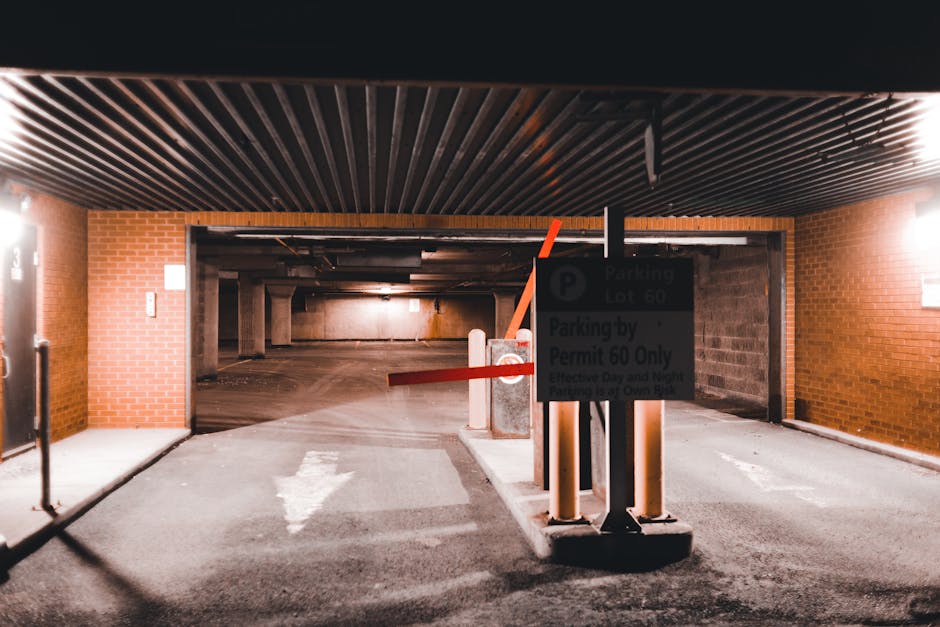
In many parts of Chiswick, the street outside a property is not a generous place to park a removal lorry or even a modest van for long. You may be dealing with residents' bays, shared-use spaces, time restrictions, yellow lines, or narrow roads where a vehicle can fit only with care. That is why permit planning matters so much. It is not just a formality; it is part of making the move workable.
From a practical point of view, a parking permit or dispensation can help you secure the space needed to load and unload safely. That means the crew can work efficiently, the route in and out stays clearer, and your belongings spend less time exposed to rain, curious passers-by, or the general damp London air that seems to appear from nowhere around 8am.
It also protects your schedule. A removal day is all about timing. If the van has to circle for twenty minutes, or park two streets away, those small delays add up quickly. You may be paying by the hour, coordinating helpers, and trying to hand back keys by a fixed time. Parking is one of those behind-the-scenes details that can quietly decide whether the day feels smooth or slightly mad.
There is also the neighbour factor. A properly planned parking setup usually reduces tension on the street. A moving vehicle positioned legally, with a clear loading plan, is a lot easier for everyone to live with than one that is awkwardly dropped across driveways. Small thing, big difference.
How Hounslow Council parking permits for Chiswick removals Works
The exact rules can vary depending on the street, the type of bay, the time of day, and whether the vehicle needs a suspended bay, a loading exemption, or another parking arrangement. That is the first thing to understand: there is no single one-size-fits-all answer. The right solution depends on the location and the nature of the move.
Usually, the process starts with checking whether the vehicle can legally stop where you need it to stop. If a bay is reserved, controlled, or restricted, you may need advance permission or a temporary parking arrangement. If the property is on a road with limited waiting, it may still be possible to load briefly, but the crew needs to work within the permitted terms. In other words, not every move needs the same level of paperwork, but every move needs a parking check.
For Chiswick removals, the sensible approach is to plan parking alongside the rest of the move: packing, key collection, lift access, stair routes, and timing. If you are arranging a larger team, a removal truck hire or a bigger vehicle may need more space than a compact van, which changes the parking strategy quite a bit.
Some moves are simple enough for a small vehicle and quick loading. Others are tighter, especially in streets where turning room is limited. In those cases, services such as man with van or man and van support can be a better fit because they are more flexible in constrained parking conditions. That flexibility matters more than people think.
Key Benefits and Practical Advantages
When parking is planned properly, the whole move feels more controlled. It does not remove every headache, but it clears the path for the things that actually matter. Here are the main advantages.
- Less waiting time: The removal crew can get straight to loading or unloading.
- Lower risk of disruption: You reduce the chance of blocking traffic or upsetting neighbours.
- Better protection for belongings: Boxes and furniture spend less time outside.
- Safer handling: Shorter distances from property to vehicle make lifting easier.
- More predictable scheduling: Your move is less likely to drift into the afternoon.
- Better use of paid labour: You are not paying people to hunt for parking.
There is a quieter benefit too: peace of mind. Once you know the parking is sorted, you stop worrying about one of the biggest moving-day variables. That frees your head for the real stuff, like checking meter readings, finding the kettle, and trying to remember where the spare keys went. Happens to everyone.
If you are managing a house move, the broader support of home moves or house removalists can also help because experienced movers tend to think about access and parking as part of the job, not as an afterthought.
Who This Is For and When It Makes Sense
Parking permits or parking arrangements are most useful when the vehicle cannot simply pull up and stay put without restriction. That applies to a lot of people in Chiswick, but especially if you are in a busier road, a terraced street with limited space, or a controlled parking zone with strict bays.
This is particularly relevant for:
- homeowners moving out of Chiswick
- new tenants arriving with a van or removal truck
- families with large furniture or lots of boxes
- older properties with tight front access
- office managers moving equipment, files, and desks
- small businesses relocating within the area
If you are moving a few boxes in a car, you may not need much at all. But if the move includes wardrobes, appliances, fragile items, or anything bulky, the parking question becomes much more serious. A sofa through a front door is awkward enough; carrying it half a block because the vehicle is parked too far away is, frankly, nobody's idea of a fun afternoon.
Commercial moves can be even more sensitive. A business relocation often has a tighter window, more equipment, and more pressure to keep disruption low. For that reason, commercial moves and office relocation services typically need careful access planning from the outset.
Step-by-Step Guidance
If you want to handle parking properly, keep the process simple and systematic. Overcomplicating it usually just creates more room for mistakes.
- Check the street situation first. Look at bay markings, waiting restrictions, loading zones, and any obvious signs near the property.
- Confirm the vehicle size. A small van, Luton-style vehicle, or larger truck may each need a different parking approach.
- Work out the move window. Think about when loading begins, when you expect to finish, and whether the property has access limits.
- Decide whether a permit or another arrangement is needed. In some cases, a parking exemption, bay suspension, or loading permission may be more suitable than a standard permit.
- Coordinate with the removal team. Make sure they know the parking plan, access notes, and any restrictions on the road.
- Share the details with neighbours if needed. A polite heads-up can save friction, especially in a tighter terrace or cul-de-sac.
- Double-check the day before. Weather, roadworks, or local changes can alter the situation quickly.
That last step is easy to skip. Don't. A quick check the evening before can save a lot of awkwardness when the van turns up and the bay is already occupied by a car that definitely was not there yesterday.
If you are also packing at the same time, it can help to use packing and unpacking services so the team can work more efficiently around the vehicle loading plan. Less faff. More progress.
Expert Tips for Better Results
In our experience, the smoothest moves are the ones where parking is treated like part of the route plan, not a side issue. Here are a few habits that genuinely help.
- Book the vehicle with the street in mind. A bigger truck is not always better if the road is awkward.
- Keep loading items near the door. Stage heavy pieces so they are ready to move quickly once the vehicle is positioned.
- Use labelled boxes. This speeds up loading and reduces time spent outside.
- Have one person manage access. If three people are giving instructions at once, things get messy fast.
- Plan for rain. A couple of tarps or covers can protect sofas and mattresses while the vehicle is parked.
- Allow a buffer. Traffic and parking in London can be annoyingly inconsistent, even on a quiet-looking morning at 9am.
One useful tip that people overlook: if you have fragile or high-value items, move them early in the process while the vehicle is closest and the route is clearest. Don't leave the most delicate bit until everyone is tired and the parking window is nearly up. It is a small thing, but it matters.
For some moves, especially where access is genuinely tight, a smaller vehicle may make the day calmer than a larger one. That is where options such as moving truck planning or a more nimble man with van setup can be worth considering. The right vehicle is the one that fits the street, not just the sofa.
Common Mistakes to Avoid
A lot of parking problems come from avoidable assumptions. The move itself might be well organised, but one parking detail blows the plan apart. Classic story.
- Leaving permit planning until the day before. This is probably the biggest mistake.
- Assuming a van can stop anywhere for loading. Not always true, especially in controlled areas.
- Forgetting about suspended bays or resident-only restrictions. These catch people out constantly.
- Not checking vehicle size against street width. A larger lorry may block traffic or make reversing unsafe.
- Failing to tell the removal team about access limits. Stairs, bollards, height barriers, and narrow roads all affect the plan.
- Ignoring nearby events or roadworks. Chiswick can get busier than you expect, especially on routes that look calm at first glance.
Another subtle mistake is treating parking as purely administrative. It is not. It affects labour, safety, timing, and the emotional tone of the whole day. If the first fifteen minutes are spent faffing around for a space, everyone feels it.
Tools, Resources and Recommendations
You do not need a complicated toolkit, but you do need the right information in one place. The more organised you are, the less chance there is of last-minute confusion.
Useful things to have ready include:
- the moving date and estimated loading time
- the full property address and postcode
- the type of vehicle being used
- access notes for the street and building
- contact details for the main organiser
- details of any lifts, gates, or restricted entry points
- a list of bulky items that may need extra time
If you are comparing moving support, it can help to look at how different services handle access. A smaller team may suit a compact flat move, while a larger property might be better supported by home moves or broader house removalists support. If you need equipment moved between floors or through a tight frontage, practical access planning becomes more valuable than anything glossy on paper.
For specialist jobs, especially office shifts with awkward furniture or filing systems, office relocation services can be useful because they tend to focus on logistics, sequence, and minimising disruption. That's the bit that saves time.
Law, Compliance, Standards, or Best Practice
Parking around a removal is not just about convenience. It sits within normal road and parking rules, local restrictions, and general duties to avoid obstruction or unsafe loading. You do not need to become a parking law expert overnight, but you do need to respect the conditions of the street and the arrangement you are using.
Best practice is simple:
- park only where stopping is permitted
- do not assume loading automatically overrides restrictions
- make sure the vehicle does not block driveways or emergency access
- keep the move safe for pedestrians, neighbours, and the removal crew
- follow any instructions that come with the parking arrangement
It is also sensible to keep written confirmation or a clear record of any parking arrangement, even if it is just an email or booking note. If anything changes on the day, having something to refer back to is extremely useful. A memory is not a plan, as they say. Or at least, it shouldn't be.
If you are unsure about how the parking rules apply to your exact street, the safest practical approach is to coordinate early, use a properly sized vehicle, and keep the move as efficient as possible. That is usually the path of least drama.
Options, Methods, or Comparison Table
There are a few common ways to handle parking for a move. Which one suits you depends on the street, the size of the vehicle, and how much time you need on site.
| Option | Best for | Pros | Things to watch |
|---|---|---|---|
| Standard parking arrangement | Simple moves with clear legal spaces | Easy to manage, usually flexible | May not work in restricted bays or busy roads |
| Temporary bay suspension or similar arrangement | Moves needing a dedicated space outside the property | Reduces competition for parking, speeds loading | Needs planning and may involve more admin |
| Loading-only approach | Quick moves with small vans | Fast and simple if space is available | Not suitable for longer jobs or stricter streets |
| Smaller vehicle strategy | Tight roads and limited access | Easier to manoeuvre, less likely to block the street | May require more trips |
For many Chiswick addresses, the smartest option is not the biggest vehicle or the boldest parking plan. It is the one that balances access, timing, and street conditions without making life harder than it needs to be.
Case Study or Real-World Example
Here is a realistic example. A family moving from a first-floor flat in Chiswick had a narrow road with limited bay space outside the building and a busy school-run period in the morning. They originally assumed the removal van could simply stop outside for an hour or two. In practice, that would have meant circling for parking and carrying furniture much farther than expected.
Instead, they planned ahead. They chose a smaller vehicle, confirmed the loading window, packed the fragile items separately, and arranged the work so the heaviest furniture came out first. They also used a man and van arrangement to keep the access plan nimble. The result was not glamorous, but it was effective: the vehicle got in, the crew worked steadily, and the move finished on time.
The biggest lesson? The parking plan did not just reduce delays. It changed the mood of the entire day. People were calmer. The boxes were handled more neatly. And nobody had to sprint down the road looking for a space while carrying a bedside lamp. Honestly, that alone is worth the planning.
Practical Checklist
Use this checklist before moving day. It is simple, but it catches a lot of problems early.
- Confirm the moving date and arrival time
- Check whether the street has parking restrictions
- Identify if a permit, dispensation, or bay arrangement is needed
- Confirm the vehicle type and size
- Tell the removal team about access limits
- Check for stairs, gates, bollards, or height restrictions
- Prepare fragile items and label boxes clearly
- Keep key documents and contact details handy
- Allow extra time for traffic, neighbours, or unexpected delays
- Review the parking plan the day before the move
If you are moving larger or awkward furniture, furniture pick up support can also be helpful when you need items handled carefully without wasting time on repeated lifting. It is one of those practical touches that makes a move feel much more manageable.
Conclusion
Hounslow Council parking permits for Chiswick removals are really about one thing: making sure your moving day has a clear, legal, workable place for the vehicle to stop. When you get the parking right, everything else becomes easier. The lifting is quicker. The schedule is steadier. The stress drops. And that is no small thing on a day that already asks a lot from you.
Whether you are planning a flat move, a full house relocation, or a business transfer, the same principle applies: check the street, choose the right vehicle, and build the parking plan into the move from the start. If you do that, you are already ahead of most moving-day problems before they even show up.
Get a free quote today and see how much you can save.
Move well, plan early, and give yourself the gift of a quieter, kinder moving day.
Frequently Asked Questions
Do I always need a parking permit for removals in Chiswick?
Not always. It depends on the street, the bay type, the length of time needed, and the vehicle size. Some moves can use ordinary loading or legal parking, while others need a specific arrangement.
How far in advance should I sort parking for a move?
As early as possible. A few days may be enough for a simple move, but more complicated streets or larger vehicles benefit from much earlier planning. Leaving it until the last minute is asking for trouble.
Can a removal van stop on double yellow lines for loading?
Not by default. Loading rules and local restrictions can be more nuanced than people expect, so it is safer to check the exact conditions for the street and not rely on assumptions.
What if the road outside my property is too narrow for a big truck?
Then a smaller vehicle or a different loading plan may be better. In some cases, a compact van, shuttle trips, or a more flexible man with van approach makes far more sense.
Are parking permits only for house moves?
No. They can be just as relevant for business relocations, office moves, and commercial removals where equipment, desks, or files need a clear loading space.
What details should I give the removal company?
Share the address, parking restrictions, vehicle size if known, access notes, moving time, and any issues like height barriers or narrow entrances. The more practical detail you give, the better they can plan.
Can bad parking planning delay my move?
Yes. It often does. Even a short delay finding a space can affect loading time, helper availability, lift bookings, and handover deadlines. Small parking issues can snowball fast.
Is a bigger vehicle always better for removals?
No. Bigger is not automatically better if the street is tight or parking is difficult. A vehicle that fits the location can be more efficient than one that looks impressive but causes delays.
What if my move is on a busy weekday morning?
Then timing matters even more. You may need a tighter loading window, a clearer parking plan, and a bit of extra patience. Traffic in London has a way of doing its own thing, as you know.
How do I reduce the chance of parking-related stress on moving day?
Plan early, confirm the vehicle size, check the street restrictions, and keep everyone informed. If possible, use movers who understand access planning as part of the job, not as a side note.
Should I get help with packing if parking space is limited?
It can help a lot. Faster, better-organised packing means shorter loading time, which is especially useful when parking space is restricted. If the move is tight, efficiency is everything.
Who should I contact if I need to discuss a move or service options?
If you need help coordinating a move, you can review the service details and then use the site's contact options on the relevant page to ask about the most suitable setup for your situation.