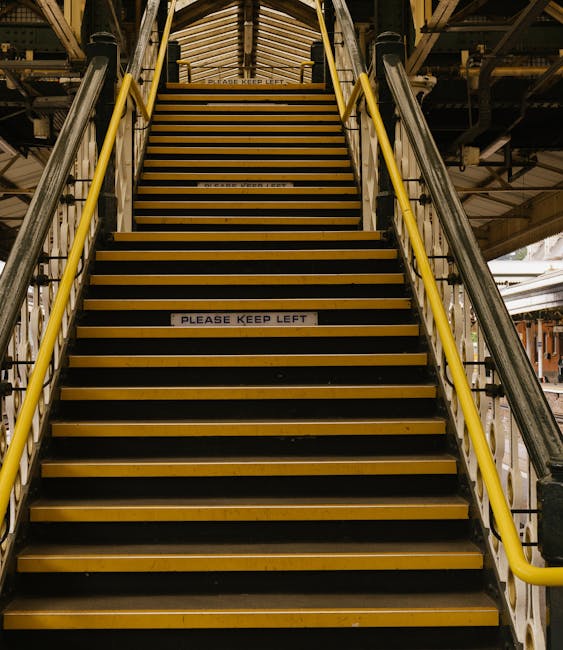
Staircases & Strand-on-the-Green: moving bulky items
If you have ever tried to get a sofa round a narrow landing, or watched a wardrobe stop dead halfway up a staircase, you already know the problem. Staircases & Strand-on-the-Green: moving bulky items is not just about strength. It is about measuring properly, protecting the property, choosing the right route, and knowing when to bring in experienced help. Around Strand-on-the-Green, where homes can have awkward layouts, older staircases, and tight access, that extra planning makes a real difference.
This guide breaks down how bulky-item moves work, why staircases change the whole job, and what to do before anything gets lifted. You will find practical steps, common mistakes, and a realistic view of when a standard move is enough and when a specialist service is the safer call. Truth be told, the difference between a smooth move and a stressful one is often just a few inches and a decent plan.
For broader moving support, some readers also look at home moves, man and van services, or more specific help such as house removalists and packing and unpacking services. Those services become even more useful once stairs, corners, or heavy furniture are involved.
Table of Contents
- Why Staircases & Strand-on-the-Green: moving bulky items Matters
- How Staircases & Strand-on-the-Green: moving bulky items Works
- Key Benefits and Practical Advantages
- Who This Is For and When It Makes Sense
- Step-by-Step Guidance
- Expert Tips for Better Results
- Common Mistakes to Avoid
- Tools, Resources and Recommendations
- Law, Compliance, Standards, or Best Practice
- Options, Methods, or Comparison Table
- Case Study or Real-World Example
- Practical Checklist
- Conclusion
- Frequently Asked Questions
Why Staircases & Strand-on-the-Green: moving bulky items Matters
Moving bulky items is simple in theory and awkward in practice. A heavy chest of drawers does not care that the hallway is narrow. A mattress does not magically bend. And stairs, especially in older London homes, tend to be where confidence meets reality. That is why this topic matters: the staircase often becomes the biggest constraint in the whole move.
In Strand-on-the-Green, you can come across period properties, split-level layouts, and entrances that look manageable until you actually try to turn a corner with a bulky item. A quick visual inspection is useful, but a proper plan is better. You need to think about width, height, landings, banisters, door swings, wall protection, and whether the object can be carried upright, sideways, or not at all.
Why does this matter so much? Because one rushed lift can create damage to plaster, paintwork, flooring, or the item itself. More importantly, awkward lifting can put people at risk. A heavy move on stairs is not the moment to improvise. It helps to have experienced movers, especially if you are also dealing with other logistics such as a removal truck hire or a scheduled moving truck that needs to arrive at the right time.
Expert summary: stairs turn a moving job from a transport task into a problem-solving task. Measure first, clear the route, protect the surfaces, and only then decide how the item should move.
How Staircases & Strand-on-the-Green: moving bulky items Works
The process starts before anyone lifts a hand. A good bulky-item move begins with assessing the object, the route, and the end destination. That means checking dimensions, weight, shape, handles, removable parts, and any fragile sections. A wardrobe with doors removed is a very different job from a one-piece sideboard with a polished finish and no real grip.
Next comes route planning. The crew will look at the staircase itself, including the width of each flight, where the turn happens, and whether bannisters or light fittings create pinch points. Sometimes the safest approach is to take a piece downstairs or upstairs on a specific angle. Sometimes it is better to dismantle the item. And sometimes the honest answer is that it should not be forced at all.
In practice, moving bulky items up or down stairs often uses a combination of preparation and controlled teamwork:
- one person leads the item and calls the pace
- another supports the weight and watches the rear clearance
- someone else checks walls, corners, and foot placement
- protective covers are used where rubbing or impact is likely
That communication matters more than people expect. A one-second pause on a landing can stop a scrape. A shouted warning can save a thumb. Sounds obvious, but once the item is moving, the stairs seem to shrink by about half.
For many homes, especially where access is tight, it helps to pair this with the right service model. A flexible man with van option can work well for smaller bulky pieces, while more demanding jobs may need a fuller team and vehicle support. If the job involves a full property move, house removalists may be the better fit.
Key Benefits and Practical Advantages
The main benefit is pretty straightforward: fewer problems. But there is more to it than that. When bulky items are handled properly on stairs, the whole move tends to feel calmer and more predictable.
- Less damage risk: careful planning reduces scuffs, dents, and chipped corners.
- Safer handling: controlled lifting lowers the chance of strains and slips.
- Better use of space: items can be moved without getting wedged halfway.
- More efficient timing: an organised route saves time on the day.
- Reduced stress: you are not making decisions in the middle of a stairwell.
There is also a confidence benefit. Once you know the measurements, the route, and the handling plan, the move stops feeling like guesswork. That matters in a place like Strand-on-the-Green, where one awkward internal turn can make a routine job feel suddenly technical.
For business moves, this has a similar logic. Offices and commercial premises often need equipment moved around stair cores or through shared access areas. In those cases, the planning side matters just as much, which is why some clients combine staircase-heavy work with commercial moves or office relocation services.
Who This Is For and When It Makes Sense
This kind of service is for anyone who has bulky, awkward, or heavy items that need to travel through stairs rather than through a lift or ground-floor entrance. That includes homeowners, landlords, renters, office managers, and people moving one or two difficult pieces rather than a whole house.
It makes particular sense if:
- the staircase is narrow, steep, or has a tight turn
- the item is too heavy or too large for one person to manage safely
- the furniture is valuable, antique, or easily damaged
- the building has awkward access, shared hallways, or fragile finishes
- you need the item moved on a tight schedule
A common example is a sofa that looked fine in the showroom but turns into a puzzle at home. Another is a fridge, wardrobe, or bed frame that can technically fit, but only if it is angled correctly and the landing is cleared first. In our experience, the problem is rarely the item alone. It is the item plus the building.
If you are moving into a smaller property, or just relocating a couple of bulky items, a combined collection-and-delivery service can be more practical. Some readers also use furniture pick up when they want to remove large pieces without handling the stairwork themselves.
Step-by-Step Guidance
Here is a practical, no-drama way to approach bulky-item movement around stairs.
- Measure everything. Measure the item, the doorways, the stair width, and the landing spaces. Do not rely on guesswork. A tape measure is cheap; a damaged wall is not.
- Check the route from both ends. What looks fine from the hallway may fail at the top turn. Walk the route slowly and spot every pinch point.
- Remove detachable parts. Doors, legs, drawers, shelves, and cushions can make a big difference. Keep screws and fittings in a labelled bag.
- Clear obstacles. Shoes, mirrors, framed art, lamps, rugs, and plant stands all need to move. Even a small decorative table can become a trip hazard.
- Protect surfaces. Use covers or blankets on bannisters, corners, and floors where rubbing might happen.
- Agree the lifting plan. Decide who leads, where to pause, and which direction the item should turn on each landing.
- Move slowly and communicate. Short commands work best. "Stop." "Lift." "Turn." No speeches needed.
- Inspect at the end. Check the item and the property before wrapping up. A quick look saves awkward surprises later.
If the item is particularly bulky, you may want to book a larger vehicle alongside the move. A properly sized moving truck can reduce repeated trips and make loading much simpler, especially where parking is limited.
Expert Tips for Better Results
Small details tend to decide whether a stair move feels controlled or chaotic. These are the things experienced movers tend to notice quickly.
- Use the item's shape to your advantage. Tall furniture may fit better upright; wide furniture may need to tilt. Test carefully before committing.
- Check the weight distribution. Some objects are heavier at one end. A quick lift test can tell you a lot.
- Watch for hidden fragility. Glass fronts, veneer edges, loose handles, and decorative trim can fail under pressure.
- Keep the route quiet. Children, pets, and visitors make things harder. One cat darting across a landing can ruin the whole rhythm. Slightly amusing in theory, less so in real life.
- Have padding ready before you start. Not halfway through. Halfway through is already too late.
- Consider partial disassembly. Sometimes removing a door or leg is the difference between a clean move and a jammed one.
A useful rule of thumb: if you are saying "it should just about fit" more than once, stop and reassess. "Just about" is rarely the phrase you want in a staircase.
For more delicate moves where packing matters as much as lifting, it can help to combine this with packing and unpacking services. Good packing protects edges, corners, and surfaces before the item ever reaches the stairs.
Common Mistakes to Avoid
Most staircase-related moving issues come from rushing. That sounds obvious, but it is still the most common cause of trouble.
- Skipping measurements. People often measure the item but forget the staircase turn or the banister projection.
- Assuming two people are enough. Sometimes they are. Sometimes not. Heavy or awkward items often need a third set of eyes.
- Forcing the wrong angle. If an item jams, forcing it can cause damage fast.
- Ignoring the floor surface. Polished floors and tight stair treads can become slippery under load.
- Leaving loose parts attached. Handles and doors snag at the worst possible moment.
- Not planning the exit. Moving in is only half the story; getting the item out later matters too.
There is a quieter mistake as well: trying to do everything yourself because it feels simpler. Sometimes it is. But if the item is heavy, valuable, or awkward, the "simple" option can become the expensive one once repairs or injuries enter the picture. Not worth it, really.
Tools, Resources and Recommendations
You do not need a warehouse of gear to move bulky items safely, but the right basic tools make a big difference.
| Tool or resource | What it helps with | Practical note |
|---|---|---|
| Measuring tape | Checking clearance on staircases, doors, and landings | Measure twice, and ideally from both directions |
| Protective blankets | Shielding furniture, bannisters, and walls | Useful on narrow stairwells where rubbing is likely |
| Straps and gloves | Improving grip and control | Only if everyone knows how to use them properly |
| Dolly or trolley | Moving items over flat sections before or after the stairs | Not always suitable on steps themselves |
| Labels and small bags | Keeping screws and fittings together | Simple, but genuinely useful |
On the service side, some moves are best handled with a general man and van arrangement, while larger or heavier jobs may need a dedicated vehicle and team. If you are shifting several large pieces at once, a fuller removal truck hire setup can save time and reduce lifting cycles.
And for people still comparing options, the company's about us page can help you understand the approach behind the service, while contact us is the obvious next step if you want to discuss an awkward staircase or a tricky item in detail.
Law, Compliance, Standards, or Best Practice
This kind of move does not usually involve complicated legal procedure, but there are still sensible UK best practices to follow. The main principles are straightforward: avoid preventable injury, do not damage property, and make sure the move is carried out in a way that is reasonable for the building and the people involved.
If the staircase is in a shared building, you may need to think about access arrangements, noise, and the protection of communal areas. In some cases, landlords, managing agents, or building rules may affect timing or access. It is worth checking in advance rather than assuming everything is fine. London buildings can be a bit particular about that sort of thing.
For professional movers, best practice usually includes:
- clear communication with the customer before arrival
- risk-aware handling of heavy or fragile items
- careful use of protective materials where needed
- respect for shared access, neighbours, and property surfaces
- transparent terms and conditions for the scope of service
If you want to review service expectations and responsibilities, it is sensible to read the provider's terms and conditions before booking. That is especially useful for jobs involving awkward access, multiple items, or collection and delivery timings that need to stay tight.
Options, Methods, or Comparison Table
Not every bulky-item move needs the same method. The right approach depends on the item, the staircase, and how much help you want on the day.
| Method | Best for | Pros | Limitations |
|---|---|---|---|
| DIY move | Small, manageable items with easy access | Low cost, flexible timing | Higher risk if the stairs are narrow or the item is heavy |
| Two-person carry | Moderately bulky items with clear routes | Better control than solo lifting | May still be awkward on tight turns |
| Professional removal help | Large, valuable, or awkward items | Safer, more efficient, more predictable | Costs more than doing it yourself |
| Disassembly first | Furniture that can be broken down safely | Improves fit and reduces strain | Requires time, tools, and care with reassembly |
Which is best? In many homes, the answer is a mix. A couple of items may be manageable with a local man with van arrangement, while anything bulky and staircase-heavy is usually better handled with a more complete service package.
Case Study or Real-World Example
Picture a typical Strand-on-the-Green move: a family has a large corner sofa, a wardrobe, and a heavy dining table to shift into a first-floor flat with a narrow staircase. The sofa looks fine at first glance. Then the landing turn appears. That is where the plan has to change.
Before moving day, the team measures the staircase and checks whether the sofa feet can be removed. They also protect the bannister and clear wall hangings from the route. The wardrobe is dismantled into sections because, frankly, trying to wrestle it in one piece would have been a headache. The dining table is carried last so the route stays clear.
Nothing dramatic happens. That is the point. No one is chasing a stuck sofa halfway up the stairs. No plaster gets chipped. No one ends up saying, "well, that was a mistake." Instead, the move is done in a measured way, with a few pauses on the landing and a lot of quiet coordination.
That is what a well-managed bulky-item move should feel like: not exciting, just properly under control. A bit unglamorous, maybe. But very effective.
Practical Checklist
Use this checklist before any bulky item goes near the stairs.
- Measure the item, staircase, landings, doors, and turns
- Confirm whether the item can be dismantled safely
- Clear the route of shoes, rugs, frames, and loose objects
- Protect walls, bannisters, and floors where contact is likely
- Assign who leads, who supports, and who watches the route
- Agree when to stop and reassess if the item starts to jam
- Prepare packing materials or blankets before lifting begins
- Check parking, vehicle access, and timing in advance
- Review any building access rules if the property is shared
- Inspect the item and the route again after the move
If the checklist already feels like a lot, that is a decent sign the job may be better handled professionally. No shame in that. Sometimes the sensible choice is the easiest one in the long run.
Conclusion
Staircases change everything about moving bulky items. In Strand-on-the-Green, where access can be tight and property layouts vary quite a bit, success depends on good measurements, clear communication, and realistic planning. The best moves are not the fastest ones. They are the ones where the item arrives intact, the staircase stays untouched, and nobody has to wrestle with regret afterwards.
Whether you are moving one awkward wardrobe or planning a full property move, the same principle applies: know the route, protect the space, and choose the right level of support. If you are unsure, ask for help early. That one decision can save a surprising amount of stress.
Get a free quote today and see how much you can save.
For a smooth next step, you can explore the service details on the main site, or speak with the team directly through the contact page. Sometimes the best moving day starts with a short conversation and a clear plan.
Frequently Asked Questions
Can bulky furniture really be moved up narrow stairs safely?
Yes, often it can, but only if the measurements work and the route is properly planned. Safety depends on the item's size, weight, shape, and how tight the staircase is. If it feels marginal, it usually needs a more careful approach or professional help.
What should I measure before moving a large item on stairs?
Measure the item itself, every doorway it will pass through, the width of the staircase, the height and depth of landings, and any turns or bannister projections. Many problems come from forgetting one awkward corner rather than the item's main dimensions.
Do I need to dismantle furniture before taking it upstairs?
Not always, but dismantling can make a big difference. Removing legs, doors, drawers, or shelves often improves clearance and reduces the risk of damage. If the furniture was designed to be assembled flat-pack style, it is usually worth checking whether partial disassembly will help.
Is it better to use a man and van or a full removal team?
That depends on the size of the job. A smaller move with one or two bulky items may suit a man and van service. Larger or more complicated staircase jobs usually benefit from a fuller team and vehicle support.
How do I protect walls and bannisters during the move?
Use thick blankets, covers, or other soft protection on contact points before the item starts moving. It also helps to clear the route and assign one person to watch for scrapes. Protection works best when it is in place from the beginning, not added halfway through.
What kinds of items cause the most trouble on stairs?
Wardrobes, sofas, mattresses, bookcases, fridge-freezers, large desks, and solid wood tables often cause the most trouble. The issue is usually not just weight but shape. Bulky items with awkward edges or limited grip can be harder than heavier objects that are easier to hold.
How much notice should I give before booking help with a stair move?
As much as you can. A little notice allows time to assess the item, plan the route, and arrange the right vehicle or team. If the item is large or access is tricky, booking earlier is usually the safer bet.
Can I move bulky items myself if I have one strong helper?
Sometimes yes, but strength alone is not the issue. Coordination, visibility, and safe footing matter just as much. If either the staircase or the item is awkward, two people may still not be enough.
What if the item gets stuck halfway up the stairs?
Stop moving immediately and reassess. Do not force it. Check whether the item needs to be tilted differently, partially dismantled, or moved back down and restarted. Forced movement is usually where damage happens.
Are there any special rules for moving items in shared buildings?
Often there are practical building rules or access expectations, even if they are not formal legal restrictions. It is sensible to check with a landlord, managing agent, or building contact before the move, especially if communal stairs or hallways are involved.
Is it worth paying for professional packing as well?
If the item is fragile, valuable, or awkwardly shaped, professional packing can be worthwhile. Good packing protects edges and surfaces, and it can make stair movement smoother. For some moves, it is the thing that prevents trouble before it begins.
What is the best next step if I am not sure my staircase will work?
Measure everything, take a few photos of the route, and ask for advice before moving day. If you want a clearer view of the service options, start with home moves or speak directly through the contact us page. A quick check now can save a lot of dragging and muttering later.